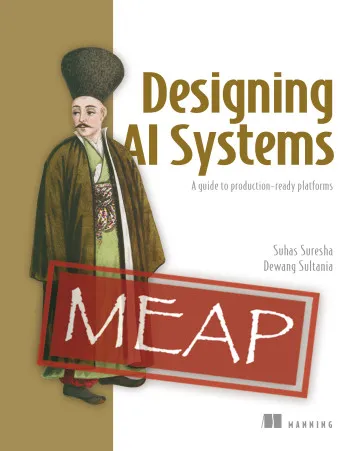
Designing AI Systems Review: A Practical Guide to Building Production-Ready AI Solutions
Artificial intelligence is no longer limited to research labs and experimental projects. Today, organizations are deploying AI-powered applications at scale across industries including healthcare, finance, software development, cybersecurity, and customer service. In this Designing AI Systems Review, we’ll examine how this Manning publication helps developers and engineers understand the principles behind building reliable, scalable, and maintainable AI systems.
While many AI books focus on algorithms and model training, real-world AI projects require much more than machine learning knowledge. Successful AI products need robust system architecture, data pipelines, monitoring, deployment strategies, and governance practices. This book focuses on the broader engineering challenges involved in delivering AI solutions that work in production environments.
What Is Designing AI Systems?
Designing AI Systems is a practical guide published by Manning that focuses on the engineering and architectural aspects of artificial intelligence projects. Rather than concentrating solely on model development, the book explores how AI systems are planned, designed, deployed, monitored, and maintained in real-world business environments.
The book bridges the gap between machine learning theory and production implementation, helping readers understand what it takes to build successful AI-powered products.
Why AI System Design Matters
Many AI initiatives fail not because of poor models, but because of weaknesses in system design and operational processes. Effective AI engineering requires careful planning across multiple technical domains.
- Scalable AI infrastructure
- Reliable data pipelines
- Model deployment strategies
- Performance monitoring
- Security and compliance
- Long-term maintainability
Understanding these principles can dramatically improve the success rate of AI projects.
Who Should Read This Book?
- AI engineers
- Machine learning engineers
- Data scientists
- Software architects
- MLOps professionals
- Cloud engineers
- Technical managers
- Developers building AI-powered applications
Key Topics Covered
The book introduces readers to many essential concepts required for modern AI engineering:
- AI system architecture
- Machine learning lifecycle management
- Data engineering fundamentals
- MLOps workflows
- Model deployment strategies
- Monitoring and observability
- Scalability considerations
- AI governance and risk management
- Production AI best practices
Designing AI Systems Review: Pros and Cons
Pros
- Focuses on real-world AI implementation challenges
- Covers both engineering and architectural perspectives
- Useful for production AI projects
- Relevant to modern AI and MLOps workflows
- Practical and industry-focused approach
- Published by Manning, a respected technical publisher
Cons
- Some AI background knowledge is beneficial
- May be advanced for complete beginners
- Requires familiarity with software development concepts
How This Book Differs from Traditional AI Books
Many AI resources focus primarily on machine learning algorithms and mathematical concepts. While those topics are important, they represent only one part of successful AI delivery.
This book emphasizes system-level thinking, helping readers understand how AI components fit into larger software ecosystems. The result is a more practical understanding of how AI products are designed and operated in production.
Current Manning Coupon and Discounts
Before purchasing the book, it is worth checking for available discounts and promotions.
Save More: Explore the latest Manning promotions and special offers.
Why AI Engineers Are Interested in This Book
As organizations increasingly adopt generative AI, large language models, and machine learning systems, the need for reliable AI engineering practices continues to grow. Books that focus on architecture and production deployment provide valuable insights beyond model development alone.
Readers seeking practical guidance for designing scalable AI systems will likely find this book particularly useful for understanding modern AI infrastructure and operational best practices.
Final Verdict
This Designing AI Systems Review highlights a valuable resource for professionals responsible for building, deploying, and maintaining AI-powered solutions. The book goes beyond theory and explores the engineering realities of creating AI systems that perform reliably in production environments.
If you’re looking to strengthen your understanding of AI architecture, MLOps, and production machine learning systems, this Manning title deserves serious consideration.
How to Use Designing AI Systems Effectively
- Study the architectural principles before implementing AI projects.
- Apply the deployment and monitoring practices to real-world machine learning systems.
- Use the book as a reference when designing scalable and production-ready AI applications.
This post contains affiliate links, which means we may receive a commission if you purchase through our links. Questions? Feel free to contact us.
“`